- But the driver has the version 6.7.2.0, please have a look at the screenshots from the device manager I attached. (They're in german, but I think that does'nt matter very much) This is the driver you get automatically if you connect a device for the first time, or if you 'force' Windows to get the latest drivers.
- The actual transfer speed of USB 3.0, 3.1, 3.2, and/or Type-C will vary depending on many factors including the processing speed of the host device, file attributes and other factors related to system configuration and your operating environment.
Tips for Using Your Chip Card Reader
For general reader care, check both card slots frequently to make sure they stay free of debris.
To save battery, remove the reader from your device when you’re not accepting payments. The reader will not charge when it’s plugged into your device, even if your device is connected to a power source.
Charge your reader every night.
For faster charging, connect the USB charging cable to a grounded outlet or power source.
Troubleshoot Your Chip Card Reader
The following steps typically take care of most reader issues:
The USB standard provides four data transfer rates: Low-Speed – Data transfer at 1.5 Mb/s. Devices such as mice and keyboards typically use this lowest transfer speed. This was part of the original USB 1.0 standard. Full-Speed – Data transfer at 12 Mb/s. Until the introduction of Hi-Speed USB in 2000, this was the fastest transfer speed for. With the ability to control which VIs are usable, you can maintain a consistent public VI interface while changing the underlying private VIs without fear of breaking the user’s code. Plug and Play (project-style) instrument drivers include all the long-established features of Plug and Play drivers. Universal Serial Bus (USB) provides an expandable, hot-pluggable Plug and Play serial interface that ensures a standard, low-cost connection for peripheral devices such as keyboards, mice, joysticks, printers, scanners, storage devices, modems, and video conferencing cameras. Migration to USB is recommended for all peripheral devices that use legacy ports such as PS/2, serial, and parallel.
Remove any case or cover from your device. Some cases prevent the reader from plugging in completely.
Update to the latest version of the Square app.
Make sure you’re using a supported device.
Unplug the reader and plug it back in while the Square app is open.
Delete and reinstall the Square app. See Apple or Google support for instructions.
Plug the reader into a power source, leave it for 1-5 minutes, and then plug it back into the device.
If you see “Please try inserting again, chip could not be read,” remove the card and insert it again until you hear a click. Keep the card in place until the payment completes.
If you see the message “Reader Damaged,” the reader is broken and you’ll need to request a new one.
If you’re using an Apple device, make sure the audio volume balance is exactly in the middle. To check, visit your device’s settings > tap General > Accessibility. Scroll down to the hearing section and move the “audio volume balance” directly in the middle.
If you’re using an Android device, make sure that any audience enhancement features (such as One M8, Clari-fi, or Beats Bass Boost) are turned off – they can disrupt the connection between your reader and device.
If you see the error message, “Register needs VoiceOver to be turned off,” go to your device settings and tap General > Accessibility > VoiceOver and turn off VoiceOver. This may also be “S Voice” or “Talkback” on your device. If that doesn’t do the trick, turn off Mono Audio from your device settings.
Projector PRO Software (FREE) Data Explorer Software Sound Insulation Reporter Sound Power Reporter Software I Perfect Software Solutions for your Applications. Traktor Audio 2 Driver 4.2.0 - Windows 7 and above Driver: Info: 24.9MB Traktor Audio 2 Driver 2.8.0 - Mac OS X 10.9 - 10.11. NTi Audio is an ISO 9001:2008 certified company. For calibrations kindly follow the Service Guideline below. The typical pricing for instrument calibration and services are listed in the RMA form. Sound Level Meter Calibration in accordance with IEC 61672-3 (2013). The art of audio repair and restoration is alive and thriving at NTi Audio. They are tech wizards. They brought a beloved Tester back to life. It had completely failed after being in service for 37 years. This instrument was no longer being manufactured and could not be replaced. NTi stepped in and worked their magic to make it good as new.
 Data Visualization Microphone+Speaker Testing Standardized Reporting I Evaluate our Range of Test & Measurement Software Solutions.
If you’ve tried all the troubleshooting steps and you’re still having issues, submit a warranty claim.
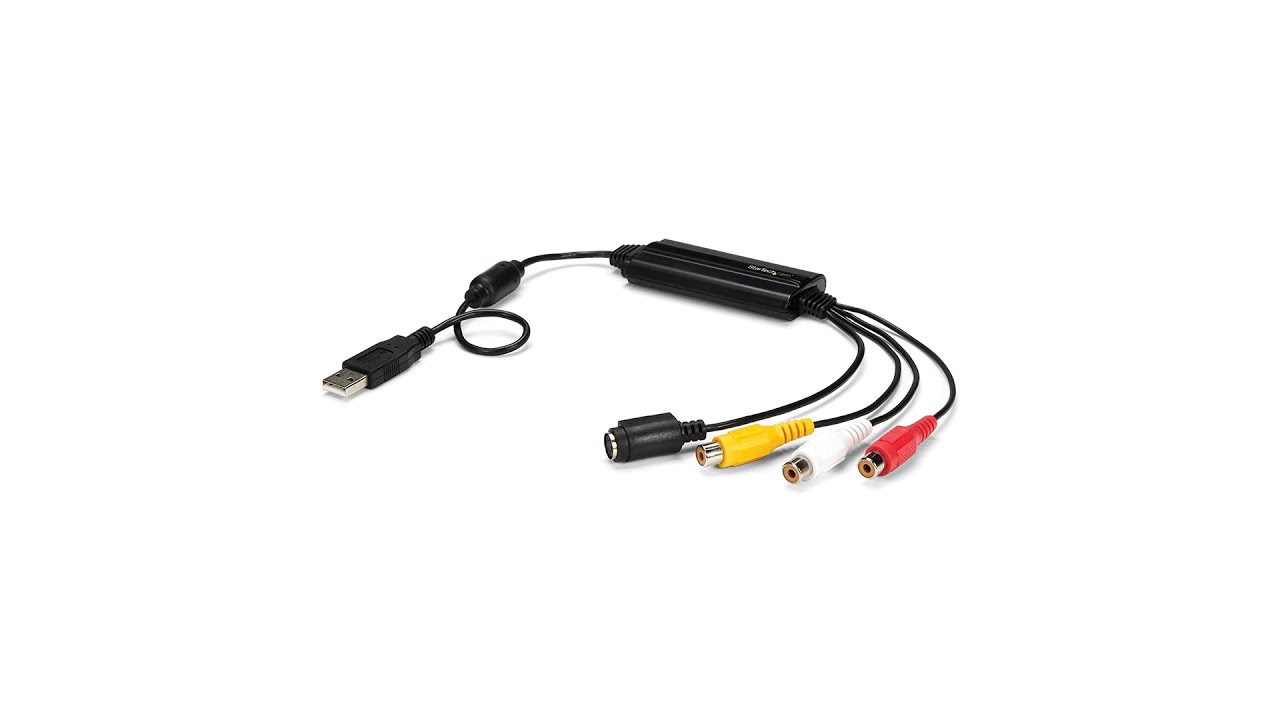
Starting with iOS 11.4.1, if you use USB accessories with your iPhone, iPad, or iPod touch, or if you connect your device to a Mac or PC, you might need to unlock your device for it to recognize and use the accessory. Your accessory then remains connected, even if your device is subsequently locked.
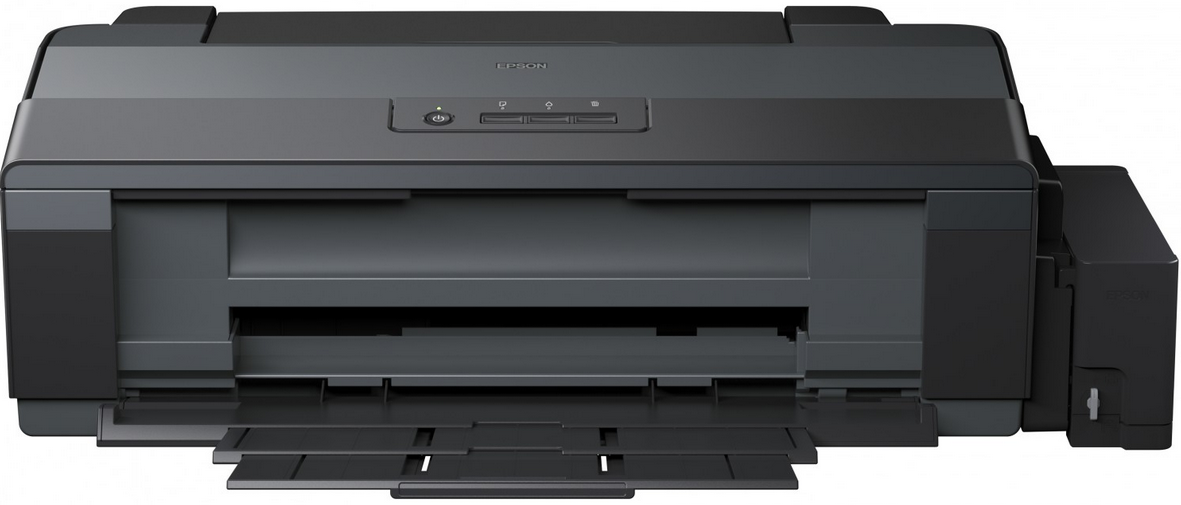
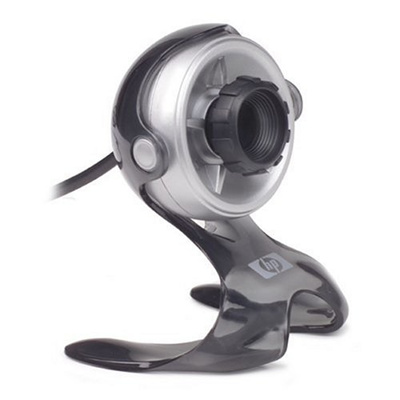
If you don’t first unlock your password-protected iOS device—or you haven’t unlocked and connected it to a USB accessory within the past hour—your iOS device won’t communicate with the accessory or computer, and in some cases, it might not charge. You might also see an alert asking you to unlock your device to use accessories.
If the USB accessory is still not recognized after you unlock your device, disconnect your device from the accessory, unlock your device, and then reconnect the accessory.
Your iPhone, iPad, or iPod touch charges as usual when it’s connected to a USB power adapter.
Allow access to USB accessories
You can allow your iOS device to always access USB accessories, for example, if you use a USB assistive device to enter your passcode on your locked iPhone. Many assistive devices will automatically turn on the setting to allow USB devices the first time they’re connected.
If you don’t connect to USB accessories regularly, you might need to turn on this setting manually.

In Settings, go to Face ID & Passcode or Touch ID & Passcode, and turn on USB Accessories under Allow Access When Locked.

When the USB Accessories setting is off, as in the image above, you might need to unlock your iOS device to connect USB accessories.
S Squared Innovations Usb Devices Driver Download
Administrators can control the USB Accessories setting on supervised iOS devices using Apple Configurator or mobile device management.